
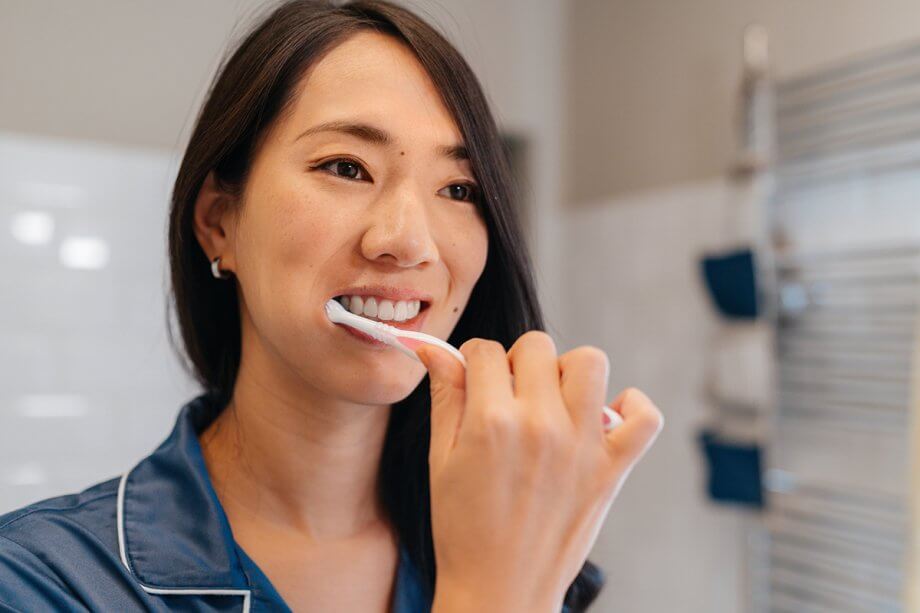
You probably know how important it is to brush your teeth. It is an essential part of a good oral hygiene routine to keep your teeth and mouth healthy. But did you know that you can make mistakes when brushing your teeth that could be detrimental to your oral health instead?
One potential mistake is brushing too hard. Brushing too vigorously or with too much pressure can actually cause damage to your teeth and gums. Could this be a problem for you? There are some telltale signs that may indicate that you are brushing too hard. Here’s what you need to know.
Why Brushing Too Hard Is a Problem
If you’re brushing too hard, you could be doing more damage than not brushing enough. Here are the potential oral health problems caused by aggressive brushing.
- Damage to your enamel. Brushing too hard or too vigorously could wear down the enamel, the hard outer layer of your tooth material.
- Irritation to your gums. Another potential problem from brushing too hard is gum irritation and inflammation.
- Long term risks. Weakening of your enamel increases the risk of cavities, decay, and cracked teeth. Gum irritation can lead to receding gums and the development of gum disease.
Most Common Signs You’re Brushing Too Hard
The following signs may indicate that your brushing style is too aggressive:
- Tooth sensitivity. Teeth become sensitive to cold, heat, or sweets due to the loss of enamel.
- Gum soreness or bleeding. Irritated and inflamed gums may hurt or bleed.
- Flattened, frayed, or splayed toothbrush bristles. Your toothbrush may show signs of damage, even if you have only used it for a few weeks.
- Gum recession or exposed roots. You may notice that your gums are covering less of your teeth or that your roots are showing. There may be an obvious line or ridge on your teeth where the gumline used to be.
How to Correct Your Brushing Technique
- Use the right toothbrush. Choose a toothbrush with soft bristles and a head that is the appropriate size for your mouth.
- Adjust pressure. Brush with gentle circular motions in order to remove plaque without damaging your teeth and gums.
- Brush angle. Hold the brush at a 45 degree angle to your teeth. This helps clean your teeth without too much pressure on your gums.
When to Contact Your Dentist for Help
If you are experiencing any of these more serious symptoms, contact your dentist:
- Severe gum irritation and bleeding
- Loose teeth
- Extreme sensitivity
- Toothache
- Persistent pain of any kind
The team at Fabey Dental will conduct an oral evaluation of your teeth and gums using a variety of diagnostic tools including visual assessment and digital imaging. The current condition of your oral health will be compared to previous appointments to determine what changes have taken place. Early intervention can stop and even reverse damage caused by brushing too hard. If you have concerns about your oral health, call 610-810-2704 or contact us today to schedule an appointment.
Frequently Asked Questions About Proper Brushing Habits
Can brushing too hard permanently damage my teeth?
Unfortunately sometimes the damage is permanent. Once tooth enamel is lost, it doesn’t grow back. Using fluoride toothpaste can help to remineralize the enamel, and restorative dental procedures can repair the damage.
Should I switch to an electric toothbrush if I tend to brush aggressively?
Yes, switching to an electric toothbrush can help because it makes it easier to apply an even pressure across all of your teeth. The toothbrush moves at the right speed to clean the teeth without causing damage or gum irritation.
Fabey Dental provides comprehensive dental care for families in Easton, PA and the surrounding area. We take our role in your oral health seriously, providing the support and guidance you need to maintain the health of your teeth and gums. Contact us today to learn more and schedule an appointment.